March 13, 2026
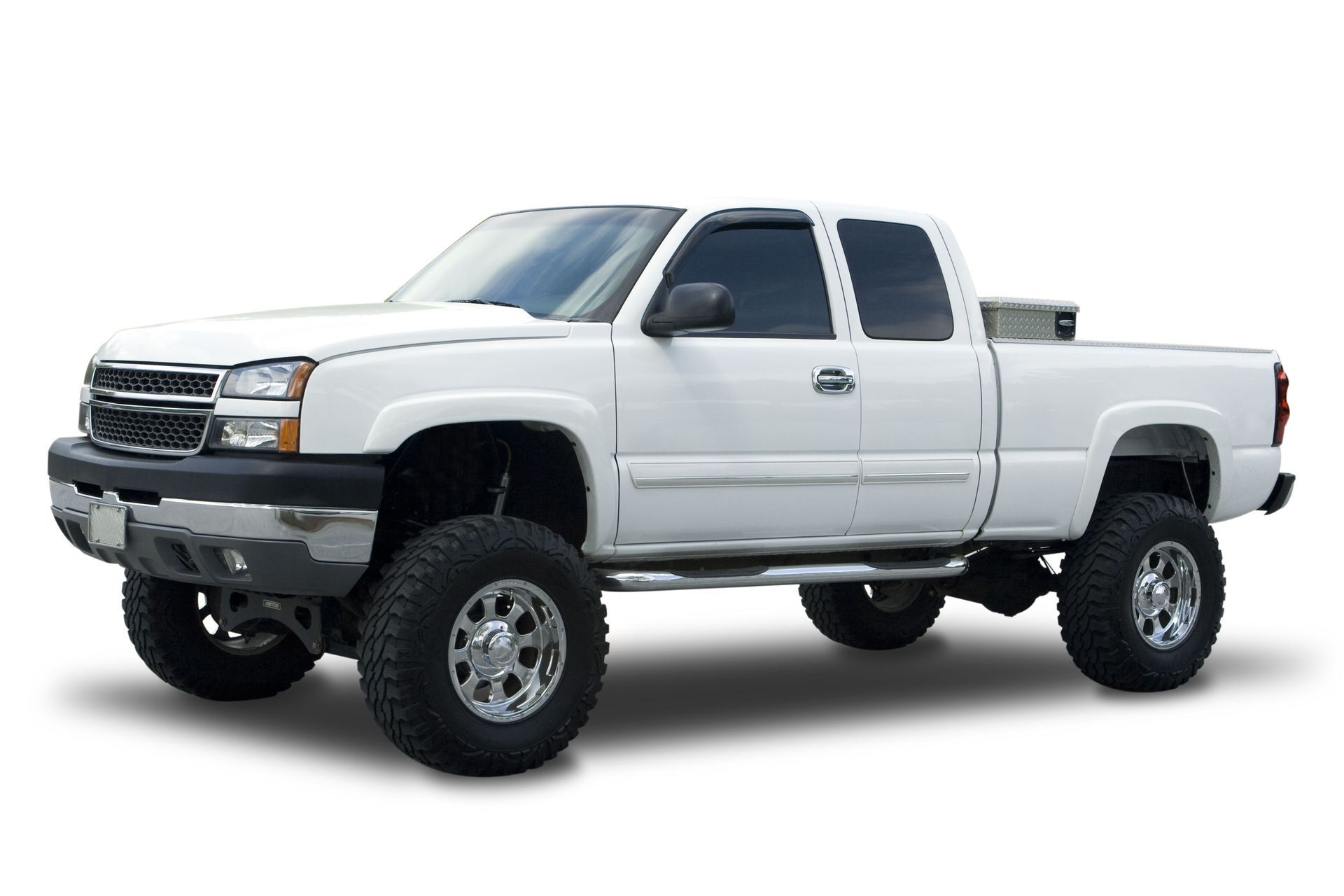
Trucks are built to handle demanding workloads, rough terrain, and extreme weather conditions. Whether used for commercial fleets, construction, agriculture, or daily driving, they endure constant exposure to moisture, salt, mud, gravel, and debris. Over time, that exposure takes a serious toll — especially on the undercarriage.
One of the most effective ways to protect your investment is through professional undercoating services. While many truck owners focus on engine maintenance and exterior detailing, the underside of the vehicle is often overlooked. Unfortunately, that’s where corrosion begins. By proactively protecting the underbody, you can significantly extend your truck’s lifespan and dramatically reduce costly repairs. In this guide, we’ll break down how undercoating works, why it matters more than ever, and how it delivers long-term financial benefits.
Understanding What Undercoating Is and Why It Matters
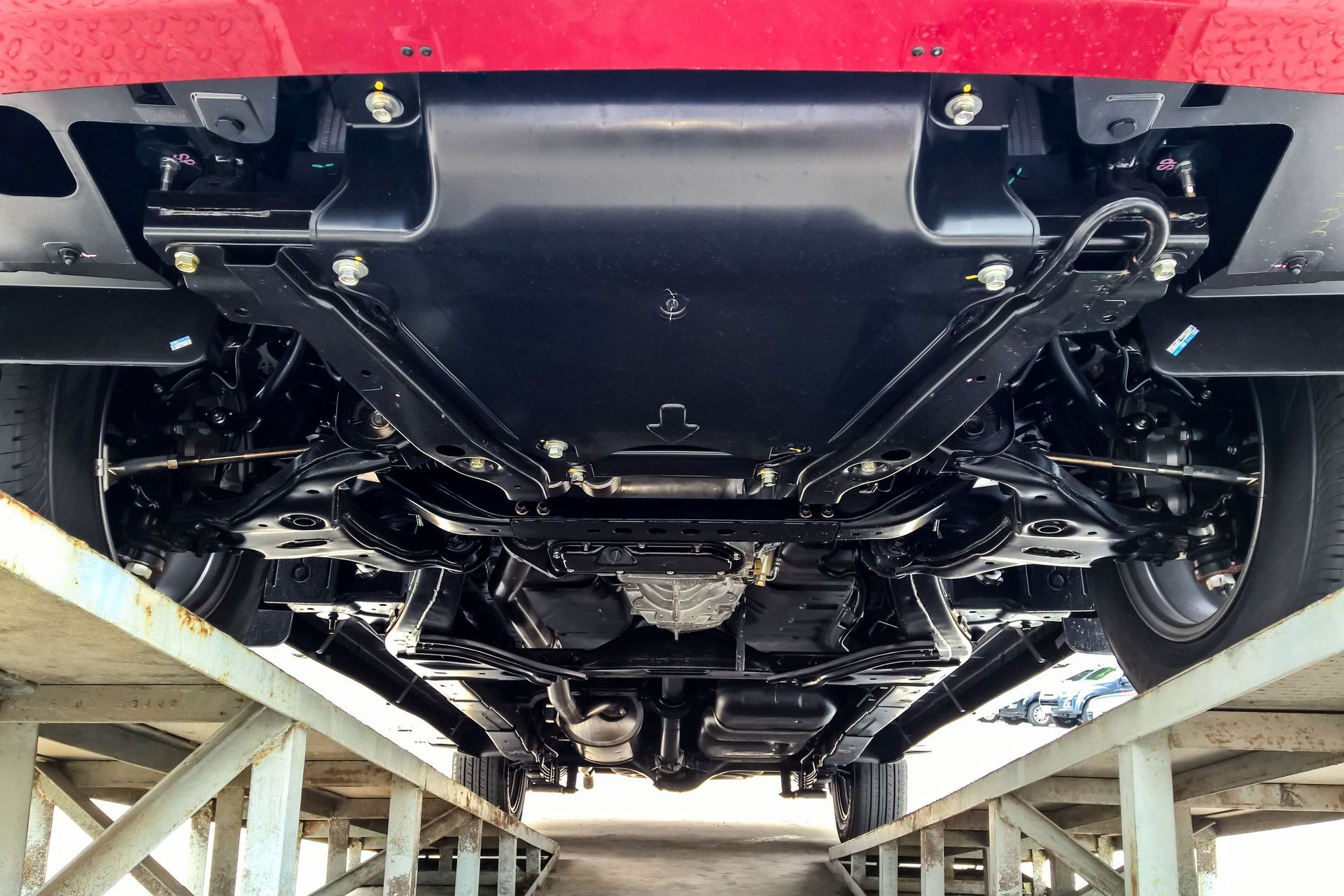
Undercoating is the process of applying a protective layer to the underside of a truck. This coating forms a barrier between exposed metal components and harmful environmental elements such as water, road salt, dirt, and chemicals.
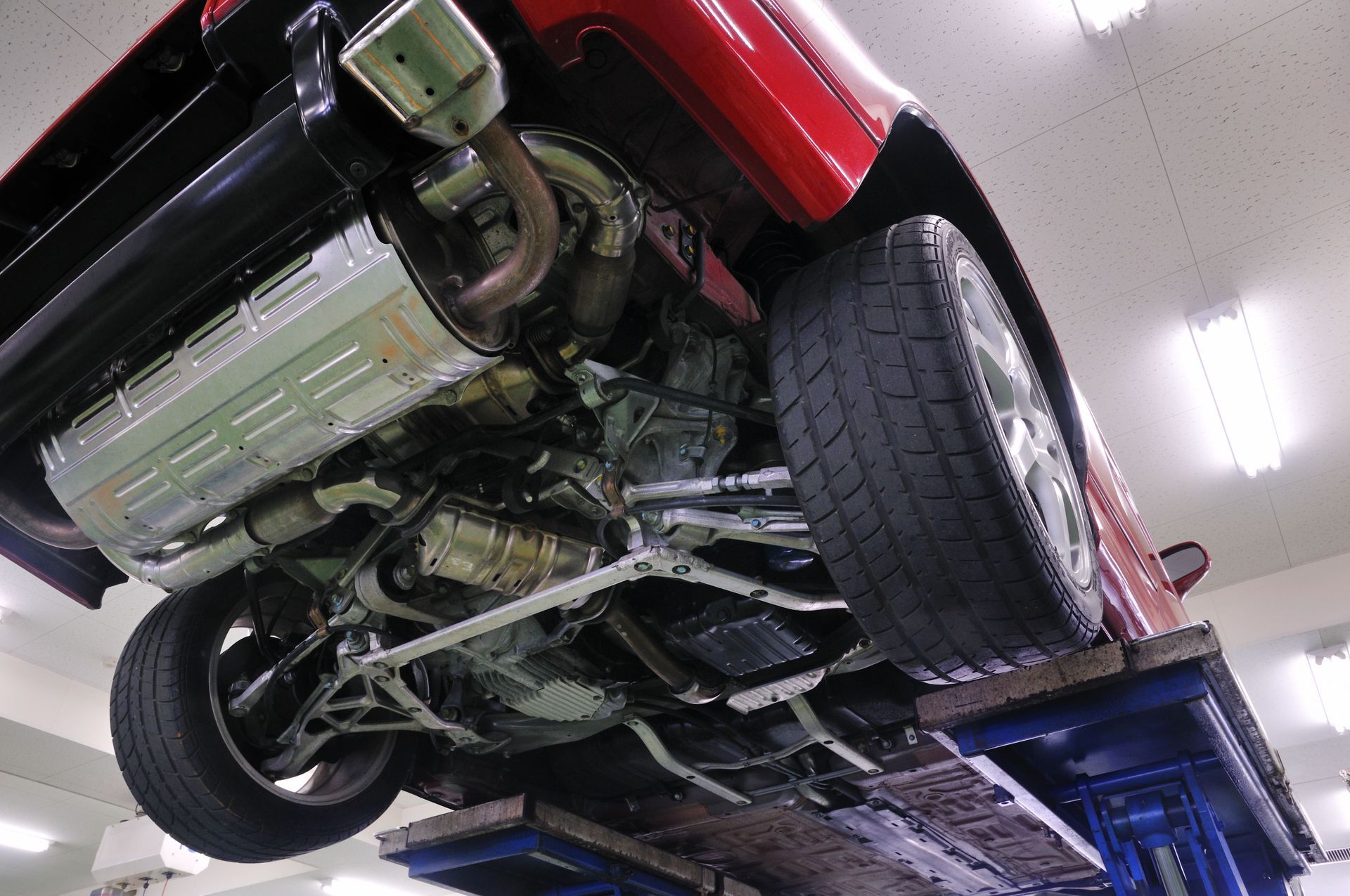
The undercarriage contains critical components — frame rails, brake lines, fuel lines, suspension parts, and exhaust systems. These parts are constantly bombarded by moisture and debris kicked up from the road. Without protection, corrosion begins quietly and spreads aggressively.
Professional undercoating services are designed to prevent this deterioration before it starts. Rather than waiting for rust to form and then repairing damage, undercoating stops corrosive elements from ever reaching the metal surface. For truck owners who plan to keep their vehicles long-term, this preventative approach is essential.
Recognizing How Rust Develops and Spreads
Rust is the result of a chemical reaction between metal, oxygen, and moisture. When road salt enters the equation, the corrosion process accelerates significantly. Salt lowers the freezing point of water, allowing moisture to linger on metal surfaces longer — especially in cold climates.
This issue is becoming more critical as trucks and SUVs dominate the roads. According to Industry Reports from 2025, SUVs and trucks — now over 80% of US light vehicle sales — are highly susceptible to underbody corrosion, with untreated trucks experiencing up to 30% faster rust progression in salt-heavy regions like the Midwest and Northeast.
That statistic highlights just how vulnerable trucks are without proper protection. In regions where winter road salt is heavily used, untreated undercarriages deteriorate at a much faster rate. Frame corrosion, weakened suspension mounts, rusted brake lines, and exhaust damage are common results. Undercoating services act as a shield, preventing salt and moisture from initiating this destructive process.
Choosing the Right Type of Protective Coating
Not all undercoating materials are the same. Professional providers offer several options depending on climate, usage, and vehicle type. Rubberized coatings are popular because they provide flexibility and sound dampening while resisting moisture. Asphalt-based coatings are highly durable and ideal for heavy-duty trucks that see rough terrain. Wax or oil-based coatings penetrate small crevices and provide excellent rust prevention for vehicles in extreme winter environments.
The key to maximizing protection is proper application. Professional undercoating services begin with thoroughly cleaning and drying the undercarriage. Any existing rust is treated before coating begins. Once the surface is prepped, the material is evenly applied using specialized equipment to ensure complete coverage. Skipping preparation or applying uneven layers can reduce effectiveness. That’s why expert application makes a significant difference in long-term performance.
Preventing Costly Structural and Mechanical Repairs
One of the biggest advantages of undercoating is its ability to prevent expensive repairs. Rust does not simply affect appearance — it weakens structural integrity. Over time, corrosion can eat through frame components, leading to costly welding or reinforcement work. Brake lines may corrode and leak, creating dangerous driving conditions. Exhaust systems often rust from the outside in, eventually requiring full replacement.
Fuel tanks, suspension mounts, and crossmembers are also vulnerable. When these components fail, repair bills can quickly climb into the thousands. By investing in undercoating services early, truck owners reduce the likelihood of these failures. The protective barrier prevents corrosion from reaching critical systems, preserving both safety and performance. Preventive protection is always more affordable than reactive repairs.
Reducing Long-Term Maintenance Expenses
Routine maintenance is part of truck ownership, but corrosion dramatically increases maintenance frequency and cost. Without protection, truck owners may face recurring issues such as rusted bolts that complicate repairs, seized suspension components, brake line replacements, exhaust leaks, and frame patchwork. Each of these repairs adds labor time and parts costs. In contrast, trucks that receive consistent undercoating services experience fewer corrosion-related failures.
When you compare the moderate upfront investment in undercoating to the cumulative cost of repeated rust repairs, the financial advantage becomes clear. Over the lifespan of the truck, preventative protection typically pays for itself many times over. Fleet managers especially benefit from this cost control. Fewer corrosion-related repairs mean more predictable maintenance budgets and less unplanned downtime.
Extending Vehicle Lifespan Through Preventive Protection
Trucks are often purchased with longevity in mind. Many owners intend to drive their vehicles for well over a decade. However, corrosion can dramatically shorten that lifespan. Once rust compromises a frame or structural component, repairs may no longer be economically practical. Some vehicles are retired prematurely due to severe underbody corrosion — even when the engine and transmission are still in good condition.
Professional undercoating services help ensure that the truck’s structural integrity matches the durability of its powertrain. By preserving the undercarriage, you allow the engine, drivetrain, and suspension systems to reach their full lifespan potential. In harsh climates, annual inspections and periodic reapplications maintain the protective barrier. Even in milder regions, routine checks help ensure continued effectiveness. Consistent protection supports consistent performance.
Preserving Resale Value and Buyer Confidence
When it comes time to sell or trade in a truck, condition matters. Prospective buyers often inspect the undercarriage carefully, especially in rust-prone regions. Visible corrosion can reduce resale value significantly or deter buyers altogether. A well-maintained underbody signals responsible ownership. Documented undercoating services demonstrate proactive care, which builds buyer confidence. Trucks that show minimal rust typically command stronger resale prices and sell more quickly.
In competitive resale markets, preventative maintenance becomes a selling point. Rather than negotiating around visible corrosion damage, sellers can highlight long-term protection and structural integrity. Protecting the underside today can translate into higher returns tomorrow.
Improving Driving Experience and Overall Protection
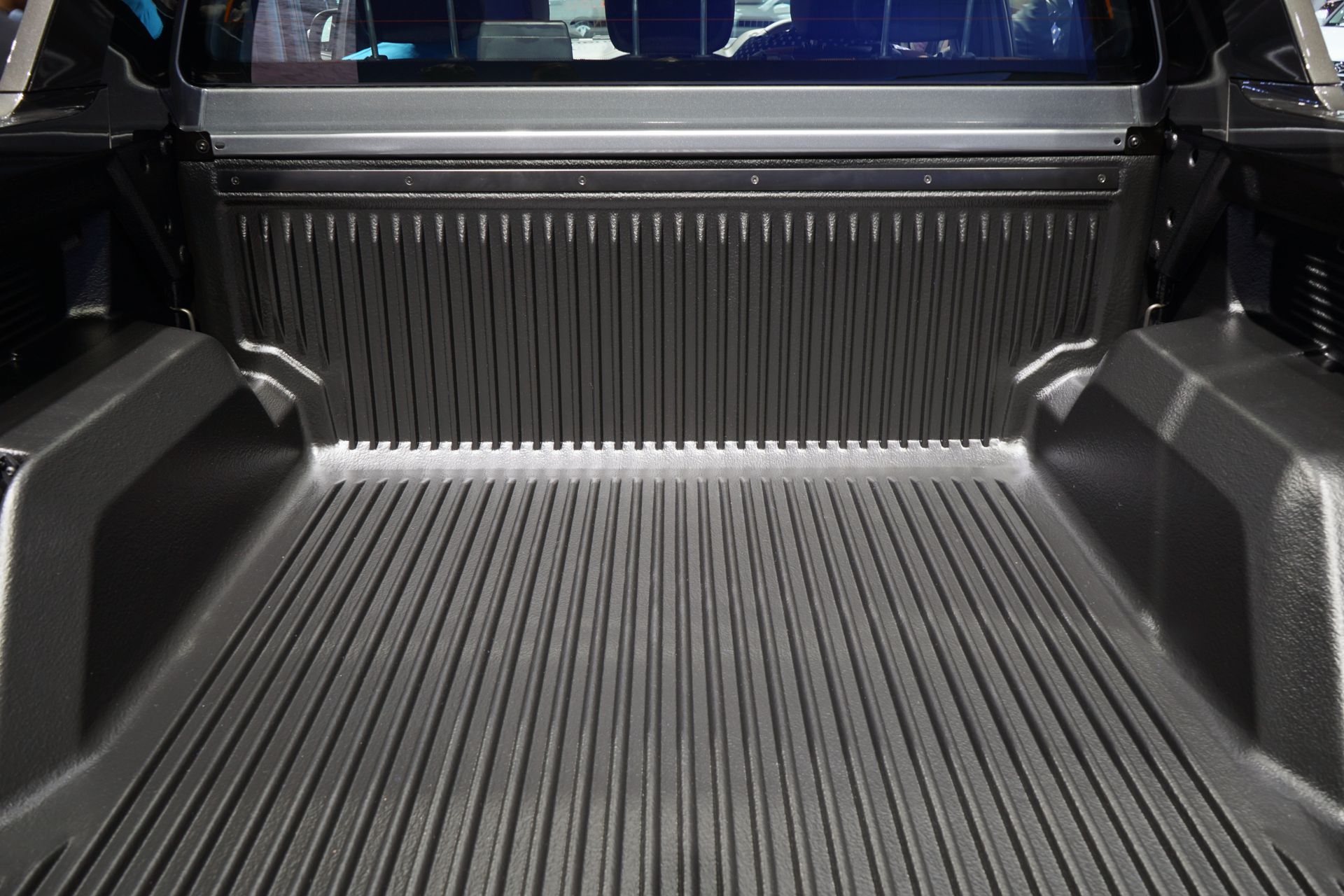
Undercoating does more than prevent rust. Certain coating materials also provide sound insulation, reducing road noise inside the cabin. This is particularly beneficial for trucks that frequently travel on highways or gravel roads.
Additionally, the protective layer shields against chips and abrasions caused by rocks and debris. These small impacts can expose bare metal, accelerating corrosion if left untreated. A properly applied coating absorbs much of that impact, preserving the metal beneath. By combining corrosion resistance with physical protection, undercoating services contribute to both durability and comfort.
Determining How Often Undercoating Is Needed
The frequency of undercoating depends largely on driving conditions. Trucks operating in regions with heavy snowfall and salt application often benefit from annual inspections and reapplication as needed. Vehicles used for off-road driving or construction may also require more frequent maintenance.
In moderate climates, reapplication may be needed less often, but inspections remain important. Over time, coatings can thin due to abrasion and exposure. Professional service providers evaluate the condition of the existing coating and recommend touch-ups when necessary. Staying proactive ensures the protective barrier remains intact year after year.
Making a Smart Investment in Long-Term Protection
Every truck owner wants to minimize unexpected repair bills while maximizing reliability. Corrosion is one of the most preventable causes of long-term damage, yet it remains one of the most overlooked. Professional undercoating services provide a practical solution. By sealing vulnerable metal surfaces, they interrupt the corrosion process before it begins. This proactive approach reduces maintenance costs, preserves structural integrity, enhances resale value, and extends overall vehicle life. Considering that modern trucks represent a significant financial investment, protecting the undercarriage simply makes sense — especially in regions where road salt and moisture are unavoidable realities.
If you want to extend the life of your truck and avoid costly rust-related repairs, now is the time to act. The experts at Evolution Coatings and Automotive Upfitting specialize in professional undercoating services designed to protect your vehicle in even the harshest environments. Contact Evolution Coatings and Automotive Upfitting today to schedule your undercoating services and safeguard your truck for years to come.