July 17, 2026
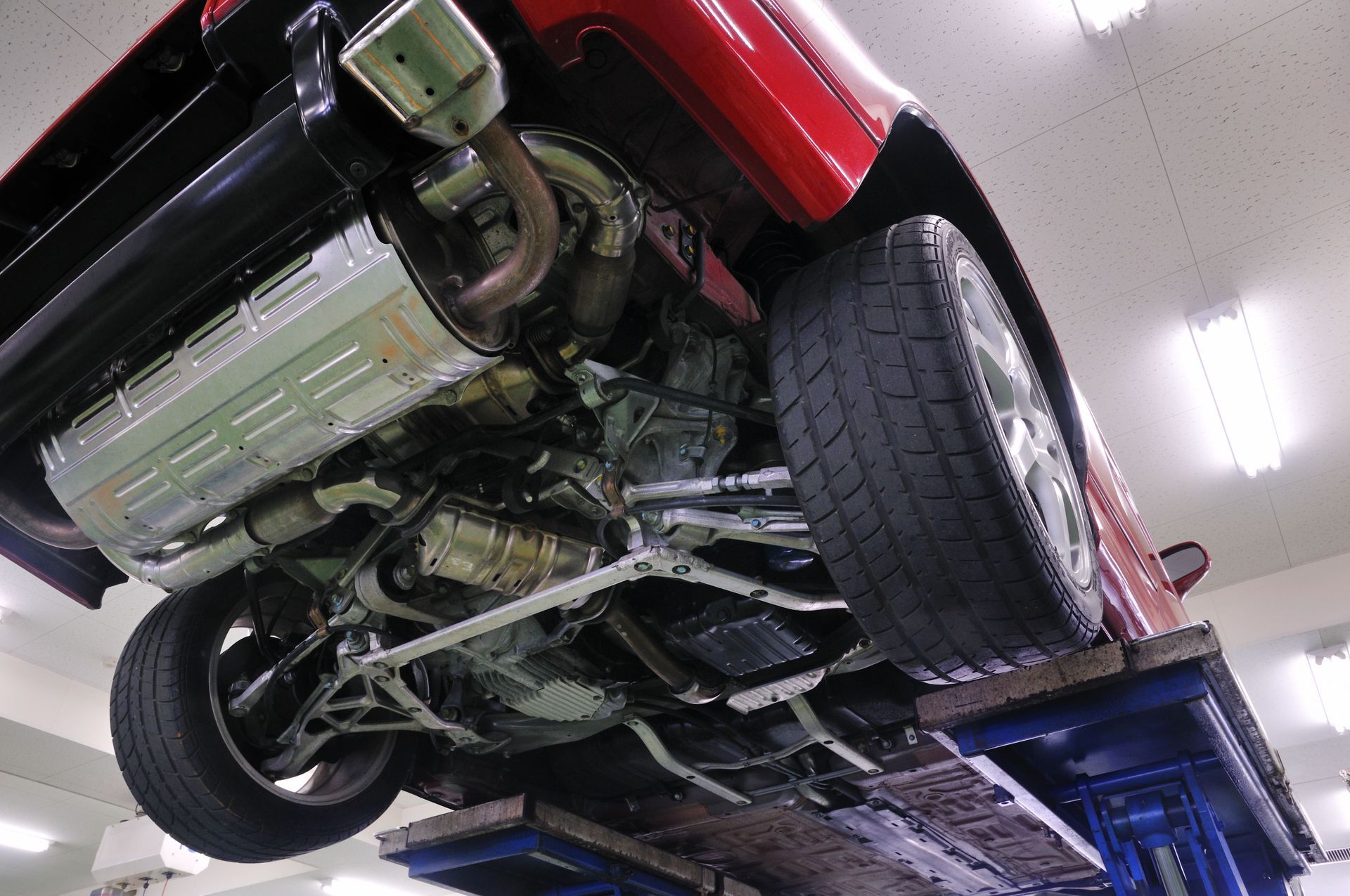
Vehicle ownership comes with ongoing responsibilities, and protecting a vehicle from long-term damage is one of the most important considerations for maintaining performance and value. Among the many threats vehicles face, corrosion is one of the most costly and persistent. Exposure to moisture, road salt, and debris can gradually weaken structural components, leading to expensive repairs and reduced reliability. This is why undercoating has become a widely recognized solution for protecting vehicles and extending their lifespan.
Many drivers underestimate how quickly corrosion can develop, especially in regions with harsh weather conditions. Once rust begins to form, it can spread beneath the surface, affecting critical components that are not always visible. Investing in undercoating provides a protective barrier that helps prevent this type of damage from occurring in the first place. By understanding how undercoating works and the options available, vehicle owners can make informed decisions that support long-term durability and performance.
According to Synchrony, American drivers spend more than $3 billion each year on repairs related to rust damage, highlighting how significant this issue can be across the country. This statistic emphasizes the importance of preventative measures that help reduce the likelihood of corrosion-related expenses. Taking proactive steps early can help drivers avoid these costs and maintain the integrity of their vehicles over time.
We’ve seen how proper protection strategies can make a meaningful difference in vehicle longevity. This complete guide to undercoating explores its benefits, the different types available, and the application methods that support effective and lasting protection.
Understanding the Benefits of Undercoating
Preventing Rust Formation
One of the primary advantages of undercoating is its ability to prevent rust from forming on the underside of a vehicle. Creating a protective layer between metal components and environmental elements reduces exposure to moisture and corrosive substances. This helps preserve structural integrity and supports long-term durability.
Protecting Against Road Debris
Vehicles are constantly exposed to gravel, dirt, and other debris that can cause damage over time. A properly applied undercoating layer helps shield vulnerable areas from impact, reducing wear and minimizing the risk of surface damage that can lead to corrosion.
Reducing Noise and Vibration
In addition to protection, undercoating can also help reduce road noise and vibration. The added layer acts as a sound barrier, contributing to a quieter and more comfortable driving experience, especially on rough or uneven surfaces.
Extending Vehicle Lifespan
By protecting key components from corrosion and damage, undercoating plays a direct role in extending the overall lifespan of a vehicle. This added durability supports long-term reliability and helps maintain performance over time.
Understanding Different Types of Undercoating
Rubberized Coatings
Rubberized undercoating is one of the most commonly used options due to its durability and flexibility. It provides strong resistance to moisture and impact while maintaining a consistent protective barrier. This type is often favored for its ability to withstand a wide range of environmental conditions.
Wax-Based Coatings
Wax-based options offer a lighter layer of protection and are typically used for vehicles that require a more temporary solution. While they provide effective moisture resistance, they may require more frequent reapplication to maintain optimal performance.
Oil-Based Coatings
Oil-based solutions are designed to penetrate small crevices and provide comprehensive coverage. This type of undercoating is particularly effective for reaching areas that may be difficult to access with thicker materials, helping ensure thorough protection.
Asphalt-Based Coatings
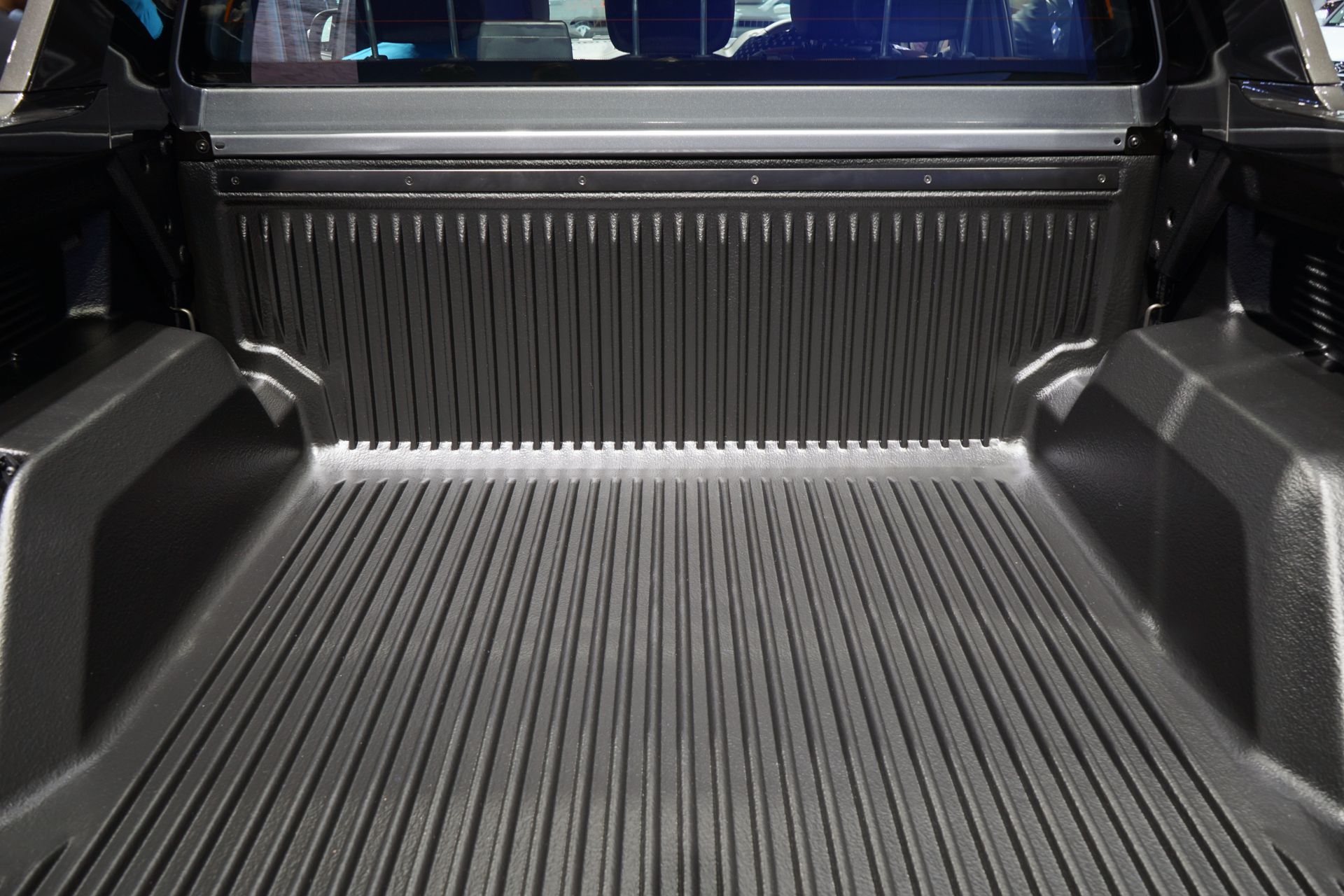
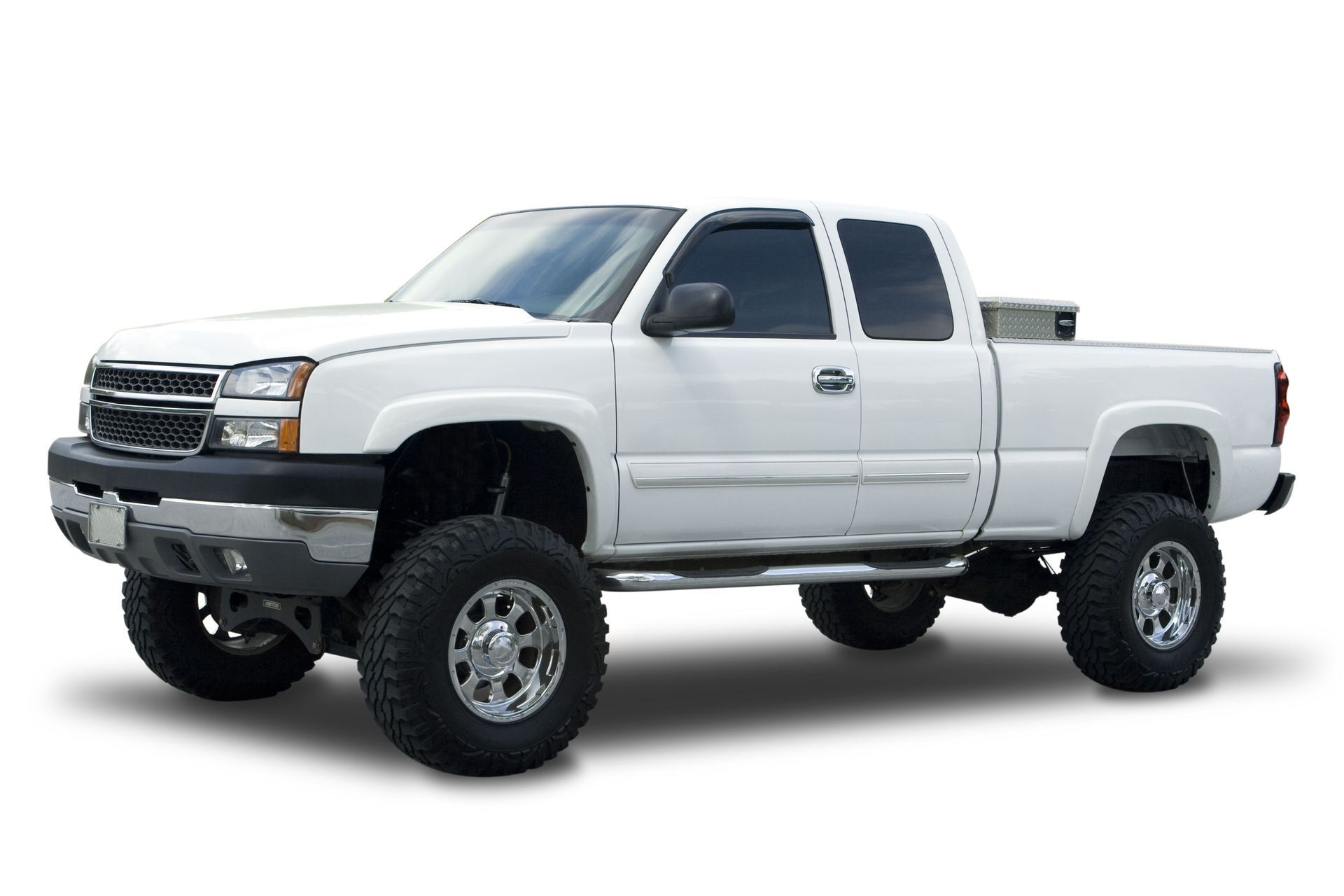
Asphalt-based coatings are known for their heavy-duty protection and are often used for larger vehicles or those exposed to demanding conditions. These coatings provide a thick barrier that helps resist both moisture and physical damage.
Understanding Application Methods
Professional Spray Application
One of the most common methods for applying undercoating is through professional spray techniques. This approach ensures even coverage across the entire underside of the vehicle, allowing for consistent protection and reliable results.
Targeted Component Treatment
In some cases, specific areas of the vehicle may require additional attention. Targeted application focuses on high-risk components, ensuring that these areas receive adequate protection against corrosion and wear.
Layered Application Techniques
Applying multiple layers can enhance the durability and effectiveness of undercoating. This method helps create a stronger barrier, particularly in areas that are exposed to frequent environmental stress.
Inspection and Preparation Processes
Before application, proper preparation is essential. Cleaning and inspecting the vehicle’s underside ensures that the coating adheres correctly and provides maximum protection. This step plays a critical role in achieving long-lasting results.
Understanding Environmental Factors Affecting Vehicles
Exposure to Road Salt
In colder climates, road salt is commonly used to improve driving conditions. However, it is also highly corrosive and can accelerate rust formation. Applying undercoating helps protect against this type of exposure and reduces long-term damage.
Impact of Moisture and Humidity
Moisture is one of the leading causes of corrosion. High humidity levels and frequent exposure to water can weaken metal components over time. A protective layer helps minimize this risk and supports consistent performance.
Effects of Temperature Changes
Fluctuating temperatures can cause materials to expand and contract, leading to stress and potential damage. Undercoating provides a stable barrier that helps protect against these environmental changes.
Influence of Road Conditions
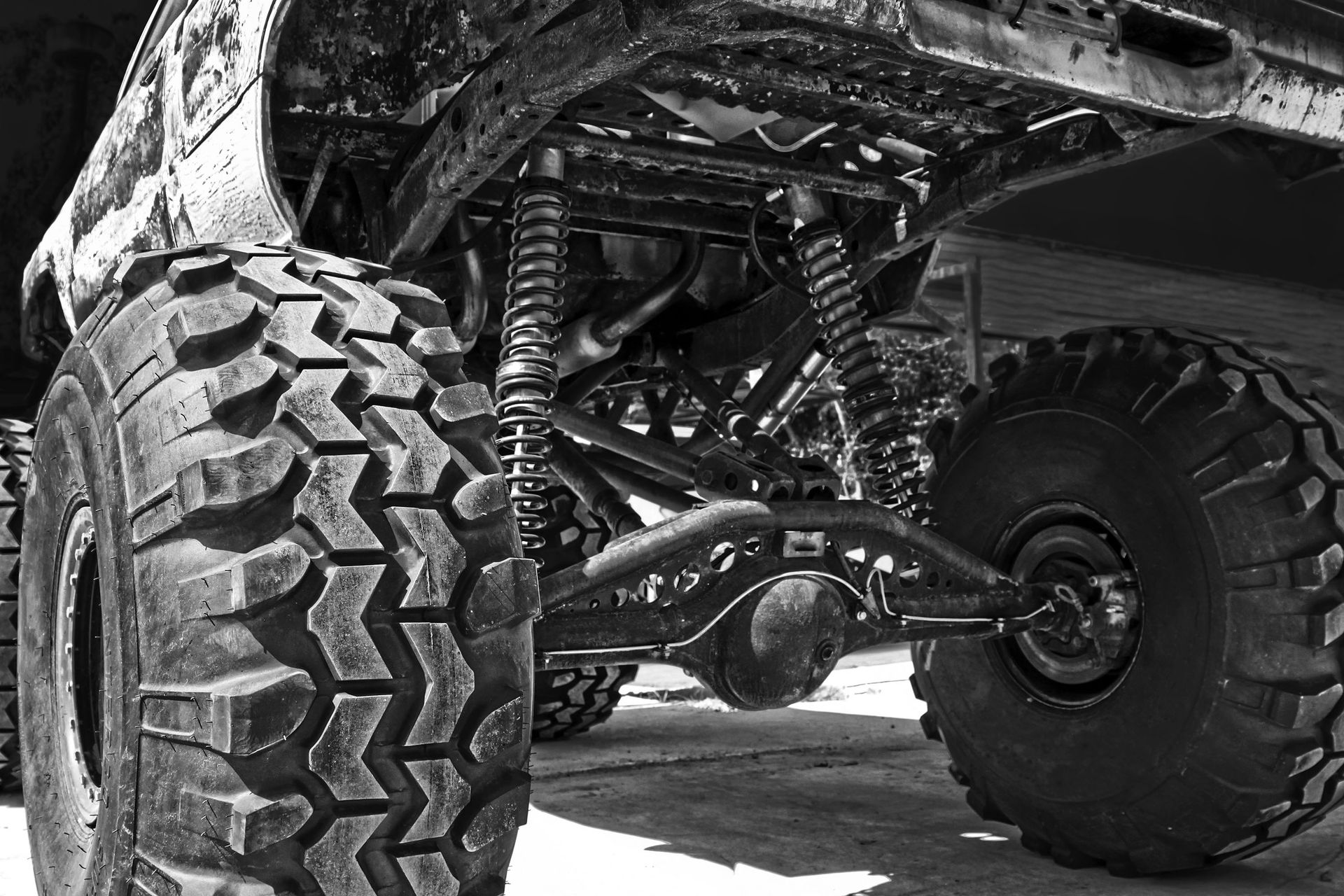
Rough roads and uneven surfaces can contribute to wear and tear on a vehicle’s underside. Protective coatings help reduce the impact of these conditions and maintain structural integrity.
Understanding Long-Term Maintenance Considerations
Monitoring Coating Condition
Over time, protective layers may experience wear. Regular monitoring helps ensure that the undercoating remains effective and continues to provide adequate protection against environmental factors.
Addressing Minor Damage Early
Small areas of damage can develop due to normal use. Addressing these issues promptly helps prevent further deterioration and maintains the overall effectiveness of the coating.
Scheduling Periodic Reapplication
Depending on the type of coating used, reapplication may be necessary to maintain optimal performance. This ensures that the vehicle remains protected as conditions change over time.
Ensuring Consistent Protection
Maintaining a consistent protective barrier is essential for long-term durability. Regular attention helps ensure that all areas of the vehicle remain shielded from corrosion and environmental exposure.
Understanding the Value of Professional Expertise
Ensuring Proper Application Techniques
A professional application ensures that the undercoating is applied evenly and effectively. This level of precision helps maximize protection and supports long-term performance.
Using High-Quality Materials
Experienced providers use materials that are specifically designed for durability and reliability. This ensures that the coating performs as intended under a variety of conditions.
Providing Accurate Assessments
Professional evaluations help identify areas that require attention and determine the most appropriate solution. This ensures that the application process is tailored to the specific needs of the vehicle.
Supporting Long-Term Results
Working with experienced professionals helps ensure that protective measures are implemented correctly, providing lasting benefits and reducing the likelihood of future issues.
Protecting a vehicle from corrosion requires a proactive approach and a clear understanding of available solutions. From preventing rust and reducing damage to improving overall durability, each benefit highlights the importance of maintaining proper protection. Undercoating offers a reliable way to shield vehicles from environmental factors that can lead to long-term issues.
By exploring the different types of coatings and understanding how they are applied, vehicle owners can make informed decisions that support both performance and longevity. Proper maintenance and professional expertise further enhance these benefits, ensuring consistent results over time.
If you’re looking to protect your vehicle and extend its lifespan, contact Evolution Coatings and Automotive Upfitting today to learn how professional undercoating can provide durable, long-lasting protection against rust and environmental damage.